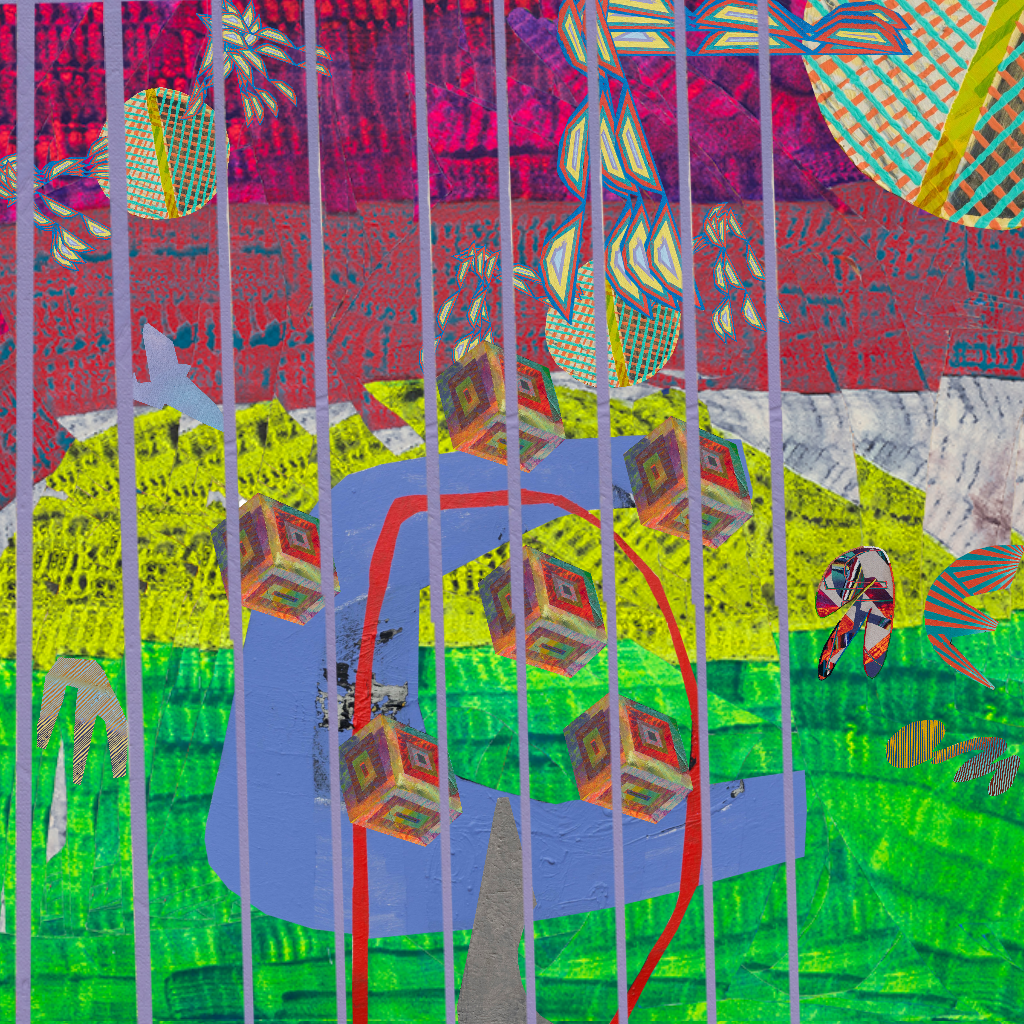
The Fall
by Vaharrak D. Raccoon
“These descriptions are an outlet for me. I've been thinking about what it meant to lose Eden. It is my firm belief it wasn't knowledge that made It upset, but rather psychologically recursive self-awareness. The frame of mind where you loop back to reflect upon yourself: what do others think of me? It wasn't until we 'opened our eyes' and 'realized we were naked' that disappointment and wrath came. It knew we had the potential but also, as an omniscient being, knew we weren't ready, and yet shame, pain, envy, lust, greed, happiness, pleasure, pride and all emotions were thrust upon us. The gift (and the tragedy) of consciousness meant that we would never reconcile with the primal innocence It meant for us to delight in. Because all evil is rooted on how we think others perceive us and letting our deepest cravings run rampant. If we were sufficiently evolved both spiritually and intellectually no feeling would sway us from morality, and yet it does, for we are flawed and imperfect creatures, unable to resist the fears and pressures of society around us. It goes beyond reframing the events of the Fall, it meant that our potential was unlocked when we were not sufficiently mature and thus fragmented not only our psychology, but our state of being. To exist and be conscious about it is, undoubtedly, to suffer, and it is this appreciation of what we consider to be "good and evil" that allows us to create, to rejoice, to honor It, but also to feel slighted, ashamed and let our feelings corrupt our actions. I sincerely believe we can never go back. The original sin forever branded us not because we disobeyed, but because from that moment onwards, we humans would give in to the temptation of our own, flawed, recursive emotional self-awareness. Art, love, philosophy, greed, cruelty, despair are two faces of the same coin.”
Submitted 5/22/2026